The best plus size prom dress fits the current bust, waist, and hip measurements; stays secure while sitting and dancing; and feels like the wearer's style. Use the product-specific size chart instead of a usual clothing size, then compare bodice structure, neckline, skirt volume, and length. Order early enough to test the dress with the intended shoes and arrange alterations without last-minute pressure.
Measure before choosing a silhouette
Prom shopping becomes more focused when measurements come before assumptions about what is “flattering.” Take the full bust, natural waist, fullest hip, hollow-to-floor, and height measurements over the planned undergarments.
Keep the tape level and comfortably close. Record the numbers rather than rounding down. Compare them with the exact product chart because formalwear sizing can vary from everyday clothing.
Let the most fitted area guide the size
For an A-line dress with a full skirt, the bust and waist may control the choice more than the hip. For a fitted sheath or mermaid dress, the hip and thigh need closer attention. If measurements fall across sizes, choose the option that protects the hardest-to-alter area and ask a tailor what can be refined.
Include shoe height in long-dress measurements
Hollow-to-floor length changes with shoes. Measure and hem with the actual heel height. A short dress also benefits from a shoe test because the full leg proportion and comfort become more visible.
The prom dress shopping guide covers timing, color, fabric, and ordering in a broader sequence.
Choose a bodice that remains secure
Prom involves more movement than a fitting-room pose. The bodice should stay in place through photographs, dinner, and dancing.
Sweetheart and strapless shapes
A sweetheart neckline can frame the upper body and create a formal focal point. Check the internal structure, back closure, and top edge while moving. If a strapless bodice slides or requires constant pulling during the fitting, it will not become easier on the dance floor.
Straps and sleeves
Straps can distribute support and make a dress feel more anchored. Sleeve coverage may be a personal preference, but it should not restrict the upper arm or back. Raise both arms and simulate a hug.
Corset-inspired and adjustable backs
An adjustable closure can provide fit flexibility, but it still needs correct bust and torso proportions. Check that the back lies smoothly and that the lacing or closure can be secured consistently.
Compare silhouettes by experience, not body rules
Any silhouette can be considered when the construction and measurements work.
A-line
An A-line dress defines the upper body and opens gradually below the waist. It provides walking and dancing room and can appear in short or long lengths.
Ball gown
A full skirt creates a dramatic prom look. Test its weight, seating space, and movement through doors or crowded tables. Volume should feel fun rather than burdensome.
Sheath or column
A straighter dress creates a clean profile. Check stride length, hip fit, and how the fabric recovers after sitting.
Mermaid
A mermaid silhouette follows the body before flaring lower down. Make sure the flare begins at a point that allows a natural step, and practice sitting and dancing.
For petite proportions, the prom dresses for short girls guide provides additional advice on visual length and alteration.
Decide between short and long prom dresses
Length changes the mood and movement of the outfit.
Short dresses
A short prom or homecoming dress can feel energetic and make dancing easier. It also puts more attention on the shoe. Sit and bend during the fitting to confirm the hem remains comfortable from every angle.
Floor-length gowns
A long gown creates a classic formal line. Hem it precisely and practice walking without kicking the skirt forward. If the dress has a train, decide how it will be managed during dancing.
Midi and high-low options
These lengths can combine movement with a more formal skirt shape. Check where the hem meets the calf and how the inner lining appears in motion.
The homecoming dress guide helps distinguish the usual styling and formality of homecoming from prom.
Evaluate fabric, color, and photography
Satin reflects light and creates a clean surface. Tulle adds volume and movement. Floral texture, beading, and sparkle create stronger detail. None of these is limited by size, but each needs a fit and care plan.
Photograph the dress with and without flash. Check whether satin shows tension, sparkle becomes much brighter, or a pale color shifts under artificial light. Choose color based on personal preference, the event setting, and how the complete outfit looks—not a universal rule about skin tone or body size.
Perform a prom-night movement test
Wear the planned undergarments and shoes, then:
- Sit for several minutes.
- Walk, turn, and take a full-length stride.
- Raise both arms and dance briefly.
- Check the neckline after movement.
- Photograph the front, side, and back in natural posture.
- Test the zipper or closure without forcing it.
- Confirm the hem and any train management.
A dress that passes this test is more useful than one that looks perfect only while standing still.
Order and alter without last-minute pressure
Start early enough to compare styles, receive the dress, inspect it, and schedule tailoring. Bring the final shoes and undergarments to alteration appointments.
Common adjustments include straps, bust shaping, waist refinement, and hemming. Decoration can limit seam changes, so ask before assuming a beaded or floral bodice can be altered extensively. Order for current measurements rather than a hoped-for future size.
Verified Lovavere styles to compare
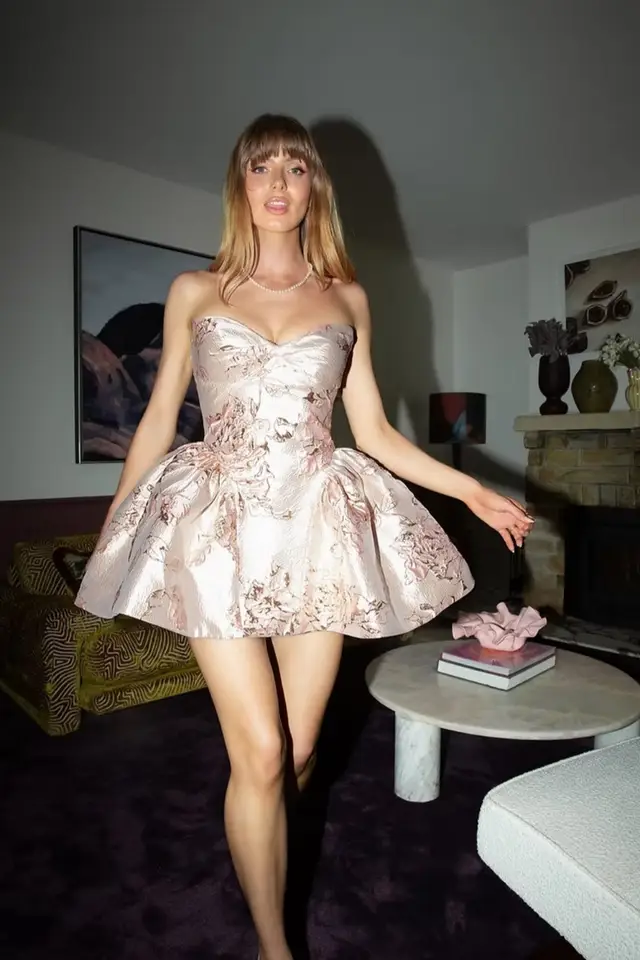
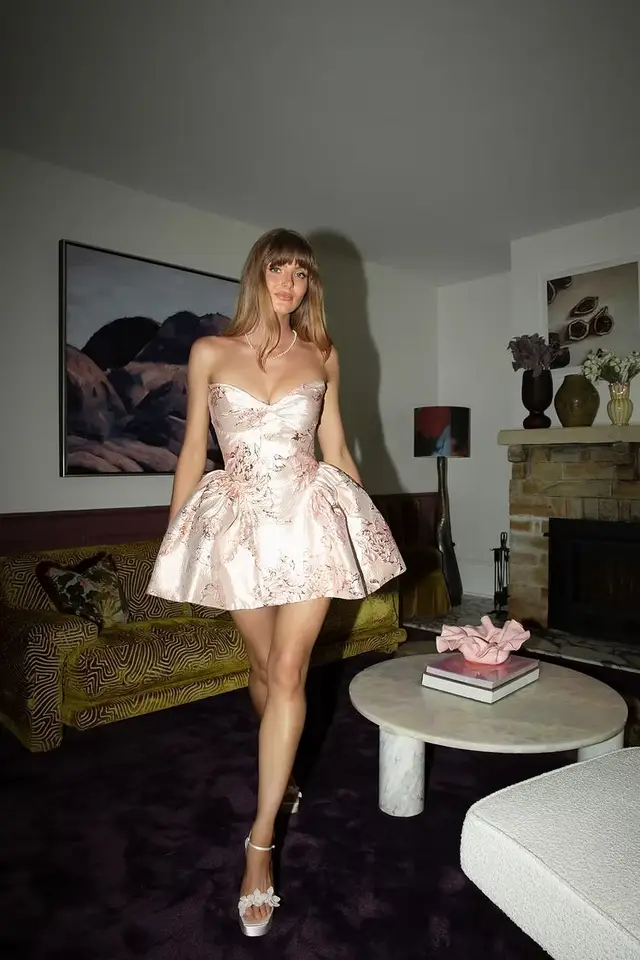
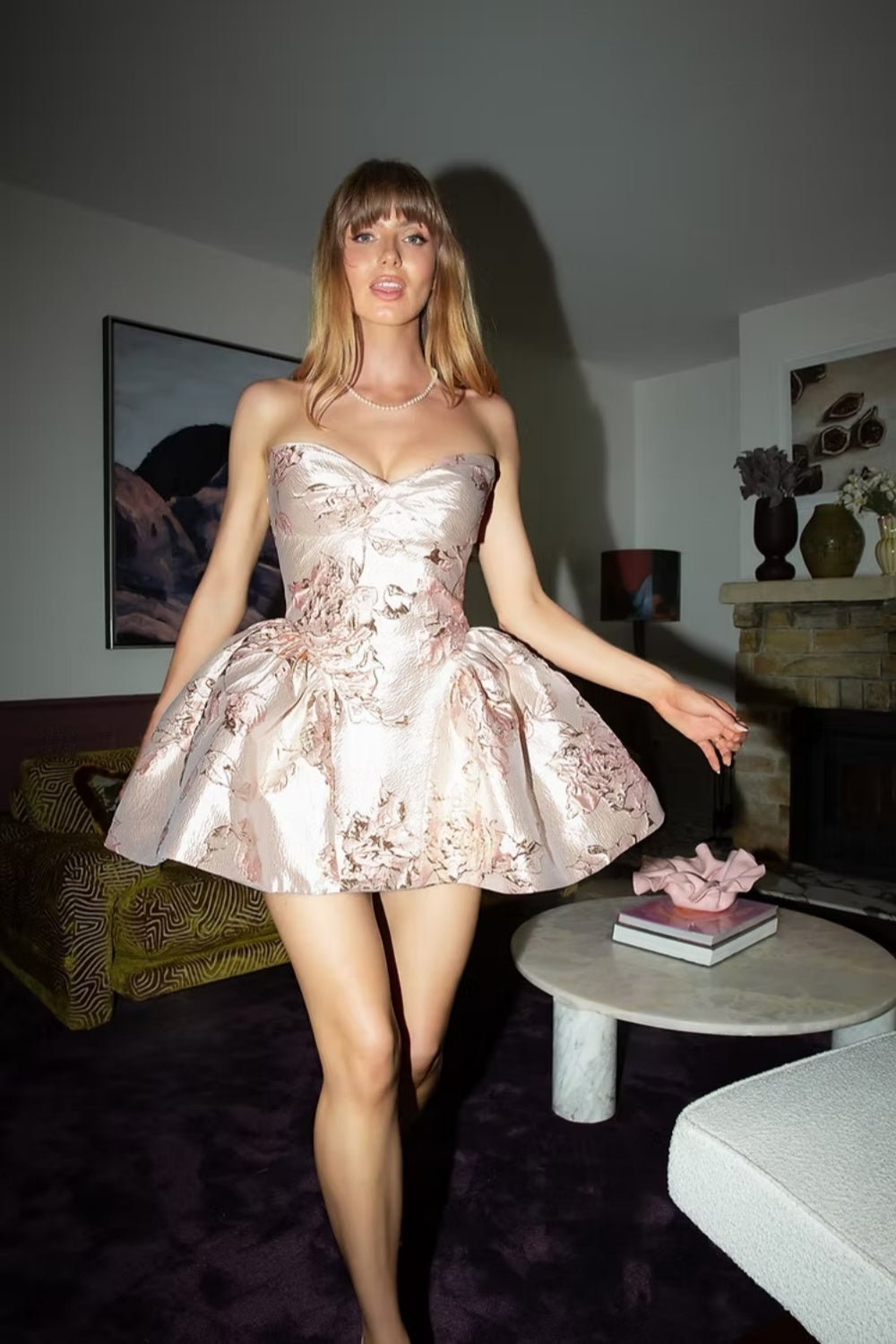
- Pink Sweetheart Short Satin Prom Dress LV04577578 offers a short sweetheart-neck direction for prom or homecoming. Its live page lists standard sizes through 20 plus a custom-size option.
- Black Sweetheart Tulle Prom Dress with Sparkle Detail provides a short tulle and embellished comparison. Its live page also lists standard sizes through 20 plus a custom-size option.
Confirm the current chart, custom-size instructions, selections, production information, and policies on the live product page. Custom sizing does not replace a movement test or guarantee that no tailoring will be useful.
Shop prom dresses by fit and personality
Browse prom dresses and save styles that match your measurements and preferred level of drama. Compare support, length, fabric, and movement before narrowing by color or trend.
Frequently asked questions
What prom dress silhouette is best for plus-size bodies?
There is no universal best silhouette. A-line, ball gown, sheath, and mermaid dresses can all work when the structure, measurements, and movement suit the wearer.
Should I size up for a prom dress?
Use the exact chart rather than automatically sizing up. When measurements span sizes, choose for the most fitted and least alterable area, then plan tailoring.
Is a short dress formal enough for prom?
Prom expectations vary. A well-constructed short dress can work when the school and event allow it, while floor-length gowns remain the more traditional formal direction.
Does custom sizing mean the dress will fit perfectly?
Not necessarily. Custom sizing uses submitted measurements, but final fit also depends on posture, construction, shoes, and personal preference. Minor alterations may still help.