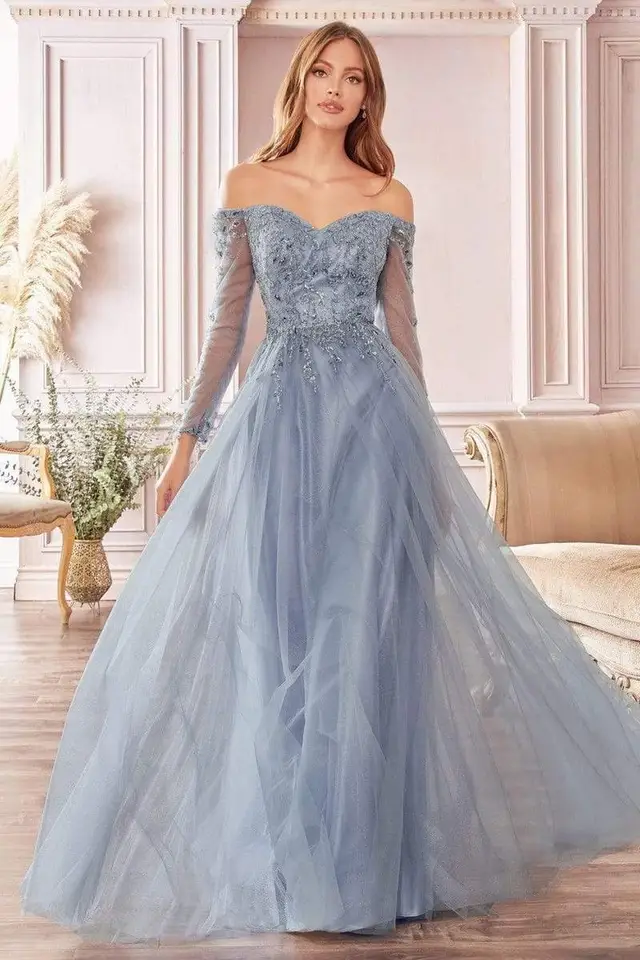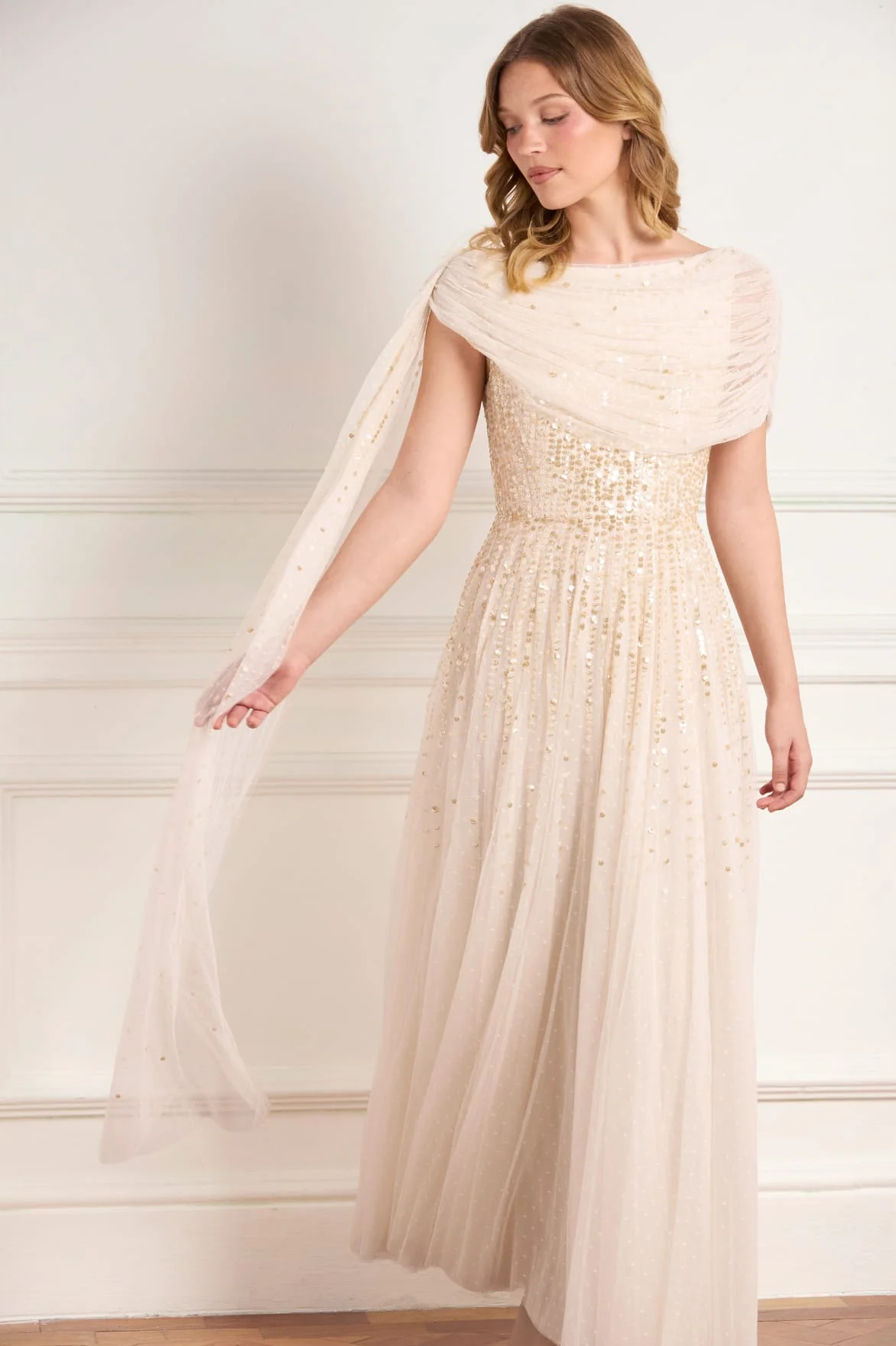
Mother of the bride dresses with sleeves are a strong choice when you want arm coverage without making the outfit feel heavy or older than the event. The best option depends on what the sleeves need to do: soften the look, add warmth, create more formality, or make the dress feel more comfortable through a long ceremony and reception.
If you are still comparing silhouettes, colors, and timelines in general, start with our mother of the bride dress guide. This article goes narrower and helps you choose the right sleeve direction specifically.
When sleeves are the right choice
Sleeves usually make sense for one of four reasons:
- You want a little more coverage through the upper arm or shoulder.
- The wedding is in a church, temple, or other more conservative venue.
- The event is in fall or winter, or the reception will be heavily air-conditioned.
- The dress code is formal enough that extra structure or drama improves the overall look.
That does not mean every mother of the bride dress should have sleeves. If the wedding is outdoors in peak summer, a sleeveless gown with a wrap may still be the easier option. But when you do want built-in coverage, the sleeve type matters more than the fact that a sleeve exists.
Which sleeve type works best?
Use this table to narrow the field before you start comparing individual gowns.
| Sleeve type | Best for | Why it works | Watch for |
|---|---|---|---|
| Sheer chiffon sleeve | Spring, summer, destination weddings | Adds coverage without much visual weight | Can feel too airy for very formal winter weddings |
| Tulle or illusion long sleeve | Evening weddings, photo-forward styling | Keeps the look formal while staying lighter than opaque fabric | Check how the cuff and shoulder seam fit |
| Fitted long sleeve | Church weddings, fall and winter events | Gives the most coverage and structure | Mobility matters, especially when sitting and dancing |
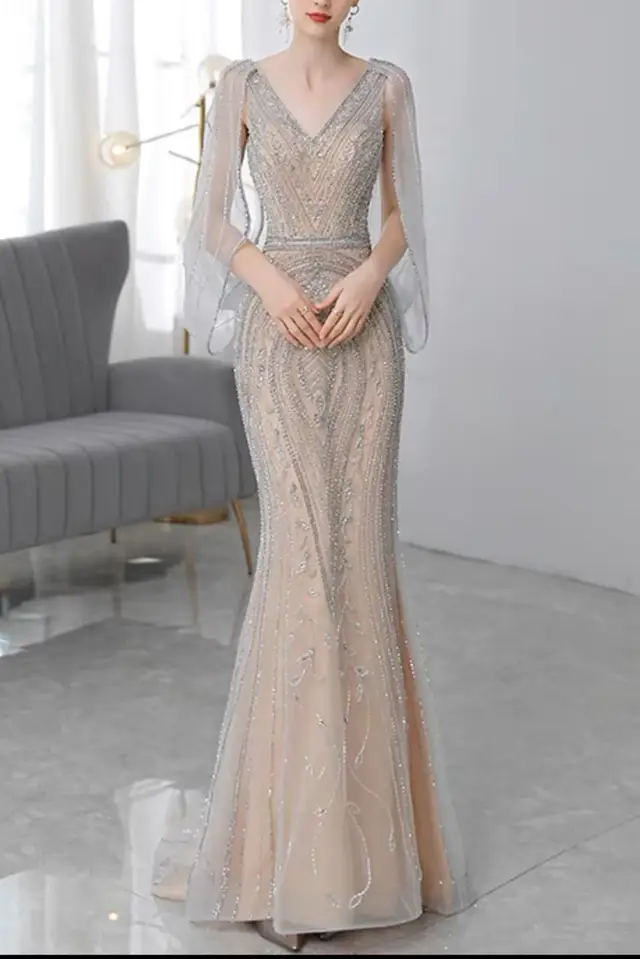
| Cape sleeve or cape overlay | Black-tie or very formal weddings | Creates drama without a traditional full sleeve | Can overwhelm petite frames if the gown is already ornate |
Choose chiffon or sheer sleeves when softness matters
If your priority is coverage without bulk, chiffon and other sheer sleeve treatments are usually the safest place to start. They move well, photograph softly, and feel less formal-stiff than opaque sleeves.
This is also the most forgiving option for warm-weather weddings. If you are balancing modesty, mobility, and comfort, chiffon often solves all three better than a heavier long sleeve.
Choose structured long sleeves when the venue is more formal
Long sleeves read especially well for evening ceremonies, religious venues, and cooler-season weddings. They also help the gown feel intentional rather than improvised if you know you would otherwise add a separate wrap.
For black-tie receptions or hotel ballroom weddings, long sleeves can look more polished than a sleeveless gown plus cover-up. If you need a refresher on the overall dress code, our black tie dress code guide is the best companion read.
Choose cape details when you want coverage without a conventional sleeve
Cape-style coverage is useful when you like movement and formality but do not want the closer fit of a full sleeve. It tends to work best in evening settings and on cleaner gown silhouettes.
Match the sleeve to the wedding setting
| Wedding setting | Strongest sleeve direction |
|---|---|
| Spring garden wedding | Sheer chiffon or soft tulle sleeve |
| Summer indoor formal wedding | Light long sleeve or illusion sleeve |
| Fall wedding | Fitted long sleeve, chiffon long sleeve, or cape detail |
| Winter evening wedding | Long sleeve with more structure or embellishment |
| Church or temple ceremony | Higher coverage through shoulder and upper arm |
| Black-tie reception | Long sleeve or cape detail with a floor-length gown |
The practical question is not "Are sleeves flattering?" It is "What kind of sleeve solves the actual needs of this event?"
A fit checklist before you order
Sleeves are one of the first areas to feel wrong if the fit is off. Before you order:
- Check whether the sleeve needs stretch or ease at the bicep and elbow.
- Sit down and raise your arms before you commit to a silhouette in a similar shape.
- Consider whether you will wear shapewear or a different bra than you normally use.
- Leave time for local tailoring, especially for cuff length and shoulder placement.
If you are ordering a made-to-order style, use our made-to-order measuring guide before finalizing measurements.
Real Lovavere options to consider
These recommendations only use products that currently exist in the live catalog.
1. Christal Long Sleeve Silver Mother of Bride Gown
Best if you want classic full-length coverage with a clearly formal look. This style is a straightforward option for evening weddings where silver tones and long sleeves feel appropriate.
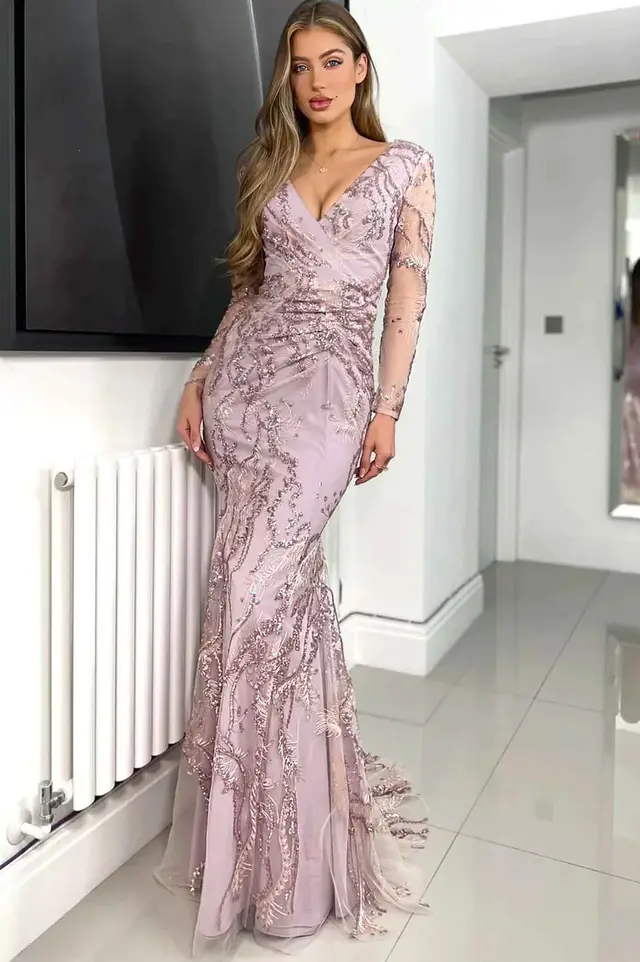
2. Pamela Dusty Mauve Long Sleeve Mother of Bride Gown
Best if you want a softer color story without giving up the security of a long sleeve. Dusty mauve is often easier to coordinate than a brighter pink and can sit comfortably next to blush, champagne, and many mixed wedding palettes.
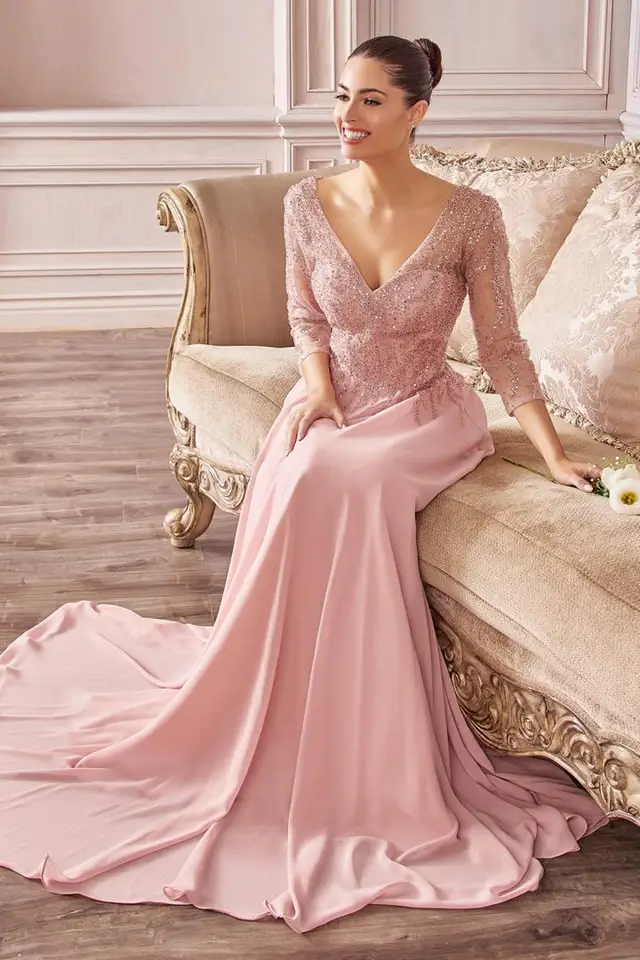
3. Melina V-Neck Chiffon Mother of Bride Gown
Best if you specifically want chiffon. This is the cleanest option in the current catalog for shoppers who want a lighter sleeve feel for a formal wedding.
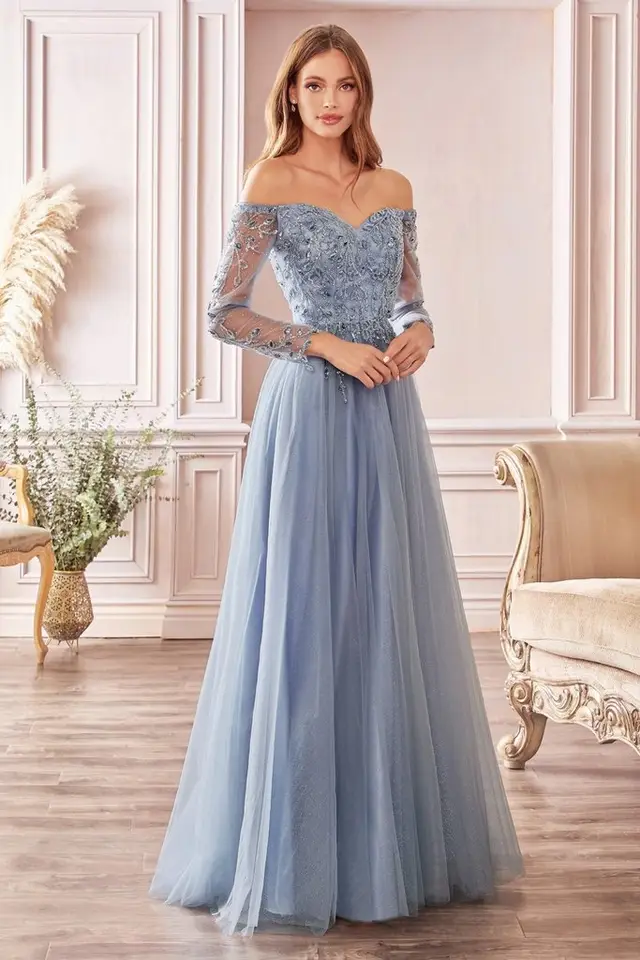
4. Nara Off-Shoulder Long Sleeve Tulle Mother of Bride Gown
Best if you want sleeve coverage with a more fashion-forward neckline. It makes the most sense for evening weddings where the dress can lean more dramatic.
Ready to browse the full category? Shop mother of the bride dresses.
Common mistakes with sleeve dresses
Choosing the heaviest sleeve by default
More coverage is not automatically better. In a warm venue, an opaque sleeve can make the gown harder to wear and visually heavier than necessary.
Ignoring mobility
Sleeves have to work through dinner, photos, sitting, greeting guests, and dancing. A sleeve that looks elegant standing still can become frustrating over a full day.
Treating coverage and style as separate decisions
The strongest sleeve dresses do both jobs at once. They solve for comfort or modesty while still matching the wedding's formality level.
Frequently asked questions
Are mother of the bride dresses with sleeves more flattering?
They can be, especially if you want more shoulder or upper-arm coverage. The flattering part usually comes from choosing the right sleeve weight and fit, not just adding fabric.
Are sleeves too warm for a summer wedding?
Not always. Sheer chiffon, tulle, and illusion sleeves often work well for summer weddings, especially indoors. Heavy opaque sleeves are the bigger risk in hot weather.
What is the best sleeve style for a formal evening wedding?
Long sleeves, illusion sleeves, and cape details usually read the most formal. Pair them with a floor-length gown and refined accessories.
How early should I order a mother of the bride dress with sleeves?
Order early enough to leave room for sleeve and shoulder adjustments if needed. If the gown is made to order, measure first and avoid waiting until the last few weeks before the wedding.
How should I care for chiffon or embellished sleeve gowns after the wedding?
Follow the garment instructions on the product page and store the gown carefully after cleaning. For general post-event handling, read our formal wear care guide.